
South Denver homeowners are rethinking landscaping in a hotter, drier climate
By Brittany Anas
ACROSS THE SOUTHERN suburbs, homeowners are reimagining their yards in response to a hotter, drier climate. With rising temperatures, ongoing water restrictions, and a growing desire for low-maintenance yards, the question becomes: How do you keep your lawn looking beautiful and colorful under these conditions?
Experts weigh in with their best tips for sustainable landscaping that helps conserve water while still delivering curb appeal.
DROUGHT-TOLERANT PLANT CHEAT SHEET
One of the easiest and most impactful changes you can make is swapping thirsty plants for drought-tolerant varieties that thrive with less water.
As more homeowners prioritize water-wise yards, Victoria Hutchen, co-owner of Mile High Landscaping, says she’s seen a growing shift toward these drought-tolerant choices. She often recommends reliable, colorful options like coneflowers for pollinator appeal, barberry for rich foliage tones, and ninebark for an easy-care backdrop. Salvia adds soft purple blooms and resists deer and rabbits, an important consideration in many southern suburb neighborhoods that back up to open space.
If you’re unsure where to start, Plant Select—a nonprofit with collaboration between Denver Botanic Gardens, Colorado State University, and professional horticulturists—offers curated lists of plants specifically chosen for Colorado’s climate, including many of which are native to our state, says Grace Johnson, the assistant manager of horticulture at Chatfield Farms.
“Flowers are always great, but it’s wonderful to mix things up and have diversity with shrubs, grasses, and flowering perennials,” she says.
Plant Select’s recommendations take the guesswork out of building a water-wise garden and include stunners you can easily find at local garden shops like hummingbird trumpet (Epilobium x canum), which boasts brilliant scarlet flowers, grows up to two feet tall, and attracts hummingbirds.
Another option? Resource Central in Boulder offers a garden in a box—colorful, low-water garden kits designed for Colorado yards, allowing residents to replace parts of their lawn with perennials.
Each kit pairs perennial plants with an easy “plant-by-number” layout and includes suggestions for planting, maintenance, and watering. Themed kits include options like the meadow-inspired “Painted Prairie,” which comes with purple coneflowers, soft pink undaunted ruby muhly grass, lavender, and more.
RETHINK TRADITIONAL GRASS
Although a hallmark of suburban neighborhoods is a classic green lawn, it can be one of the most water-intensive features of a home landscape. Many homeowners are now reducing or eliminating turf in favor of more sustainable alternatives.
If you’re considering this route, Johnson suggests checking out Resource Central’s Lawn Replacement Program, which helps Colorado residents swap lawns for beautiful, waterwise landscapes. In partnership with local water providers and municipalities, the nonprofit offers discounted projects through Lawn Removal Service or DIY options.
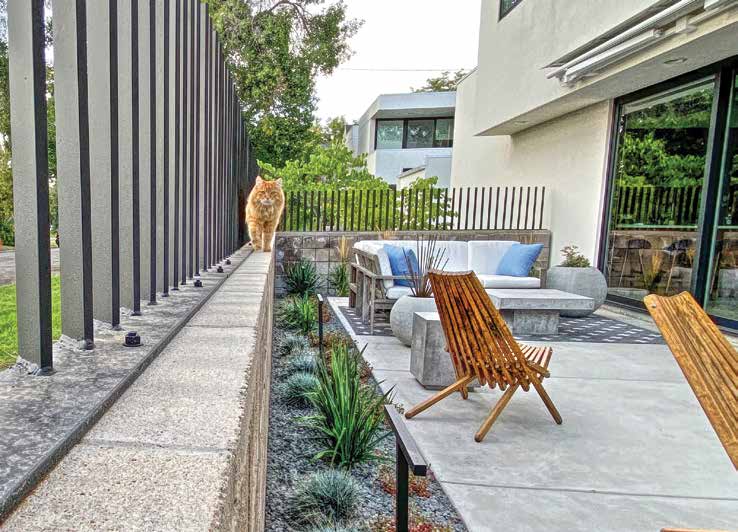
A popular approach to retain the green lawn look is to limit grass to functional areas—like play spaces or pet zones in the backyard—while converting your front yard into planting beds, rock gardens, or xeriscaped areas. For low-traffic outdoor spaces, some homeowners are opting for beautiful, lush clover, Hutchen says.
Ornamental grasses have been gaining popularity as a replacement for turf, too, says Hutchen. She likes grasses like little bluestem, which boasts vibrant blue-green tones in the summer that transition to warm reddish hues in the fall.
WATER WISELY
Even drought-tolerant landscapes need some watering, especially during establishment. The key is to water efficiently.
Experts recommend watering early in the morning or later in the evening to minimize evaporation. Drip irrigation systems are another smart investment, delivering water directly to plant roots where it’s needed most, and landscaping companies can help you do an irrigation audit on your lawn.
“Grouping plants with similar water needs, using mulch to retain moisture, and layering plantings to provide shade and reduce evaporation all help create a more resilient landscape,” says Michael Sundberg, district manager at The Davey Tree Expert Company’s West Denver office.
Another tip? Avoid landscape fabrics, Johnson says, because they can restrict water flow and often lead to more weeds.
FIND INSPIRATION CLOSE TO HOME
If you’re looking for ideas for your own lawn, take a trip to Chatfield Farms, a 700-acre native plant refuge and working farm located along the banks of Deer Creek in Littleton.
The gardens, including the Carol Gossard Colorado Native Plant Garden, showcase water-wise landscaping techniques in action, offering practical inspiration for homeowners. Walking through thoughtfully designed spaces can help you visualize how different plants, textures, and layouts come together.
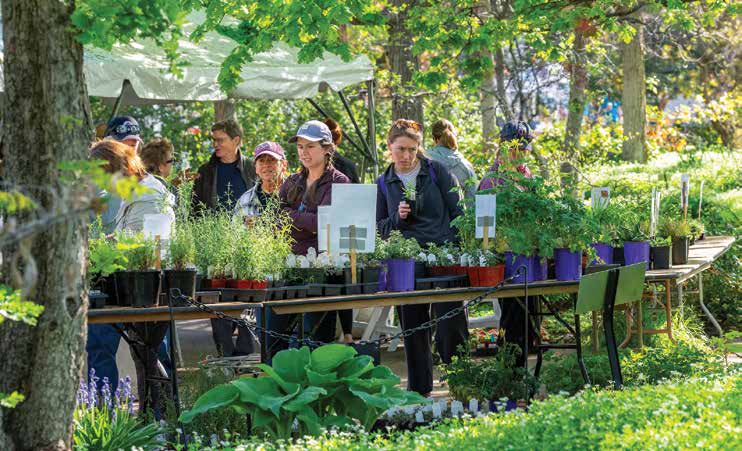
In Denver, the Denver Botanic Gardens hosts popular plant sales in the spring and fall, and it’s a chance to pepper horticulturists and knowledgeable gardeners with questions about which plants can handle drought and conditions, whether it’s partial shade or full sun, Johnson says.
In a climate that demands smarter choices, these thoughtful shifts prove that sustainability and style aren’t mutually exclusive—they’re the new standard for modern outdoor living. The result is a landscape that not only endures but also elevates the everyday experience of home.
MILE HIGH LANDSCAPING
milehighlandscaping.com
PLANT SELECT
plantselect.org
RESOURCE CENTRAL
resourcecentral.org
CHATFIELD FARMS
botanicgardens.org/chatfield-farms