The Morgan Adams Foundation funds optimism for childhood cancer survival
By Kastle Waserman
FOR A PARENT, raising a child is one of life’s great joys, but if your child gets a cancer diagnosis, it can be a worst nightmare. That’s what happened to Steven Adams and Joan Slaughter when their 5-year-old daughter, Morgan, was diagnosed with glioblastoma multiforme (GBM), a brain tumor, in December 1997.
She died 11 months later, and her parents, longing to conquer the helplessness they felt, joined the Oncology Advisory Board at Children’s Hospital Colorado (now called Children’s Hospital Colorado) and founded the Morgan Adams Foundation to help other families.
“To watch your child run out of options is devastating,” said Kat Russell, the foundation’s director of strategic communications and marketing. “They worked with Nick Foreman, who was Morgan’s neuro-oncologist, and decided to start funding research that would eventually become the laboratory research program at Children’s.”
The organization’s first event in 2001, the artma art auction, became a signature event. More fundraising events followed, with money going toward pediatric cancer research, primarily at Children’s Hospital Colorado and the University of Colorado Anschutz Medical Campus.
Though we hear a lot about cancer these days, it’s shocking that only 4 to 8 percent of federal cancer research funding goes to pediatric cancer, despite it being the leading cause of death by disease in children in the U.S. So, research funding falls on private philanthropy.
“It really takes education to understand why we need this,” says Robin French, the foundation’s program officer. “Pediatric cancer research is leading the way in precision medicine because we can’t treat a child’s body with growing cells the same way we treat an adult whose cells are degenerating. We have to look for other methods. And it’s so frustrating because we’ve left our children behind for so many years.”
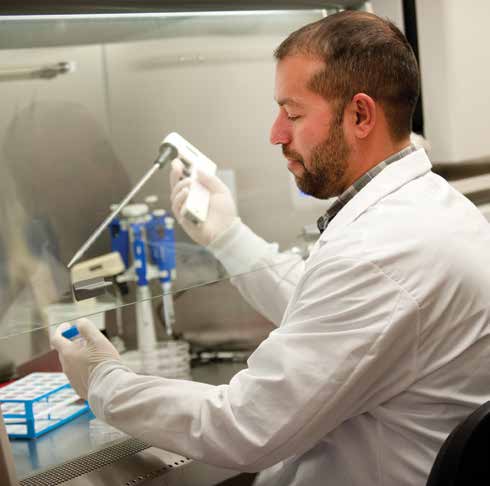
While we know lifestyle choices can lead to cancer in adults, but children get cancer for different reasons. “Children’s cells are constantly dividing, growing, creating, and something just goes wrong,” French says. “Then it replicates that wrong message, and that’s cancer. It’s a fast-growing error.”
Treating cancer can be especially tough on children because their bodies are still developing, and they have their whole lives ahead of them. Many young patients experience long-term health problems themselves. However, thanks to research funded by the foundation, doctors are now discovering ways to replace harsh treatments with less harmful alternatives for children.
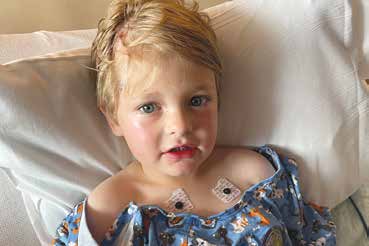
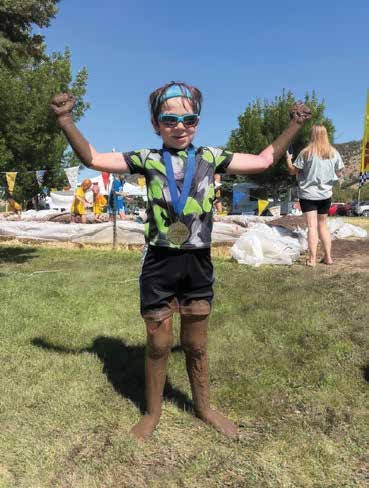
Through it all, there are success stories, such as Asher, who was just one year old when he was diagnosed with an aggressive and fast-growing brain tumor. He underwent an intense treatment plan with two surgeries, chemotherapy, and radiation informed by new research. Today, he is doing great and started fourth grade cancer-free.
The Morgan Adams Foundation continues to fund pediatric cancer research through private donations, events, and volunteer efforts. Both Russell and French say the work they do with the foundation is extremely satisfying. French is also the parent of a child who survived childhood cancer.
“My husband and I wanted something good to come out of this crummy thing that happened,” she says. “As I see more kids surviving and thriving, who don’t have to do as much chemo as the kids did ten years ago, that the cure rates are improving, it just makes me want to get out of bed every day and do more. It’s awful to see your child suffer, and I want fewer parents to have to go through that.”
MORGAN ADAMS FOUNDATION
morganadamsfoundation.org