
A Front Range effort is helping bring lifesaving gear and training to departments across Mexico
By: Heather Shoning
IN FIRE STATIONS ACROSS THE UNITED STATES, PROTECTIVE EQUIPMENT FOLLOWS A STRICT TIMELINE.
After roughly five years, bunker coats, helmets, gloves, and boots are typically retired to meet liability standards—even when the gear is still usable.
Across parts of Mexico, the situation looks very different. Firefighters may spend entire careers using the same worn protective gear. Air systems are limited. Infrastructure can be scarce. In some cities, even access to water during a fire is uncertain.
Bridging that gap has become the mission of 5280 International Firefighter Ops, a nonprofit effort powered largely by firefighters from Colorado’s Front Range.
The organization began nearly a decade ago with a simple decision by Boulder firefighter Manuel Garcia.
“I was at the training center in Boulder, and they were going to throw equipment in the trash because it was expired,” Manuel recalls. “I said, ‘Hey, I’ll take it.’”
At the time, he had no specific plan for the gear—only the sense that someone, somewhere, could still use it.
EQUIPMENT THAT FINDS A SECOND LIFE
In the early days, Manuel and his wife transported donated bunker gear to Mexico inside airline suitcases, using free checked bags to move what they could.
When he first arrived with the equipment, the firefighters receiving it were skeptical.
“They thought it was a joke,” he says. “They didn’t believe someone would just show up with firefighter gear and give it to them.”
As word spread, the effort expanded through connections with departments throughout the Front Range.
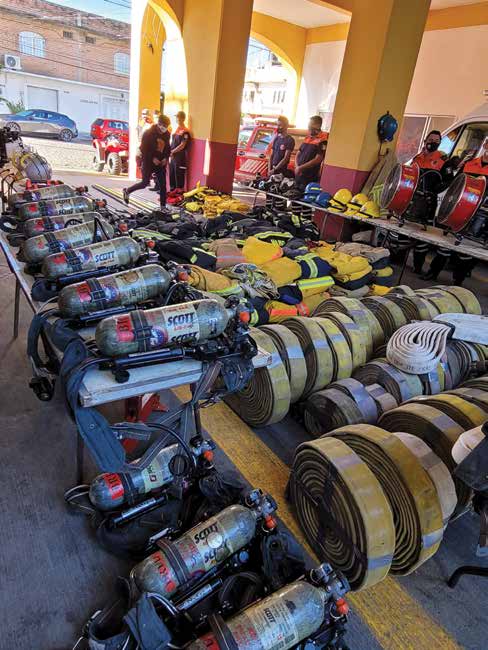
Surplus hoses, bunker gear, trucks, and specialized equipment—items that would otherwise be discarded—began moving south.
“To this one Puerto Vallarta department alone, we’ve probably donated close to five million dollars in equipment,” Manuel says.
Today, the organization has delivered nearly $10 million in gear to fire departments across multiple Mexican states.
A DRAMATIC DIFFERENCE IN RESOURCES
The need for equipment is immense.
Boulder, for example, maintains more than 4,600 fire hydrants. The city of Puerto Vallarta has two.
Departments are forced to rely on tanker trucks to shuttle water to active fires, while protective clothing may be torn or decades old.
“The old captain here had one set of gear for 25 years,” Manuel says. “His sleeves were torn, his pants were torn.”
Experiences like that have reinforced the importance of the work for the firefighters who participate.
TRAINING ALONGSIDE EQUIPMENT
As donations increased, it quickly became clear that equipment alone was not enough.
“They were happy to have the equipment, but they didn’t know how to use it correctly,” Manuel says. “That’s when I knew we had to start training.”
Volunteer instructors from Colorado now travel regularly to Mexico to lead training sessions.
The curriculum includes search-and-rescue techniques, ladder operations, air-management strategies, and high-rise firefighting tactics.
The exchanges also introduce a different approach to risk management.
“The mentality was to be warriors and fight fire head-on every time,” Manuel says. “We teach them: You risk a lot to save a lot, and you risk nothing to save nothing.”
For many Colorado firefighters, the experience offers a powerful reminder of the resources available at home—and the responsibility that comes with them.
A MISSION THAT KEEPS GROWING
Transporting equipment across international borders presents logistical challenges.
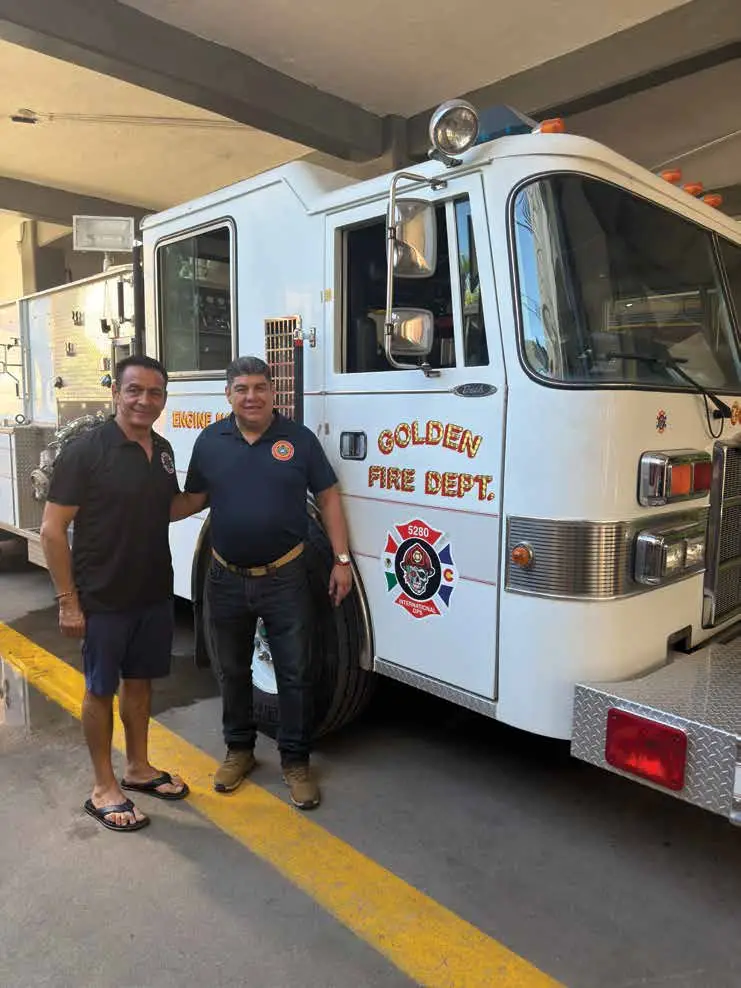
Shipping containers can cost tens of thousands of dollars, and moving retired fire trucks involves taxes, permits, and complex coordination.
For years, many of those expenses came directly from Manuel himself.
“I started funding it all on my own,” he says. “But if I paid every transportation cost myself, I’d go broke.”
The nonprofit structure now allows communities receiving the equipment to share those costs, while partnerships with government officials and the Mexican consulate help navigate the process.
Today, the organization has donated equipment to more than 20 cities across four states in Mexico.
Even so, requests for assistance continue to arrive from fire departments across Mexico.
“If we can change the life of even one firefighter—give them the gear, the training, the chance to go home safe—then we’ve done our job,” Manuel says.