The Crested Butte Wildflower Festival returns for its 40th year with hikes, workshops, art classes, and peak alpine color
By: Brittany Anas
AS COLORADO’S WILDFLOWER CAPITAL, CRESTED BUTTE REACHES ITS MOST COLORFUL CRESCENDO IN JULY.
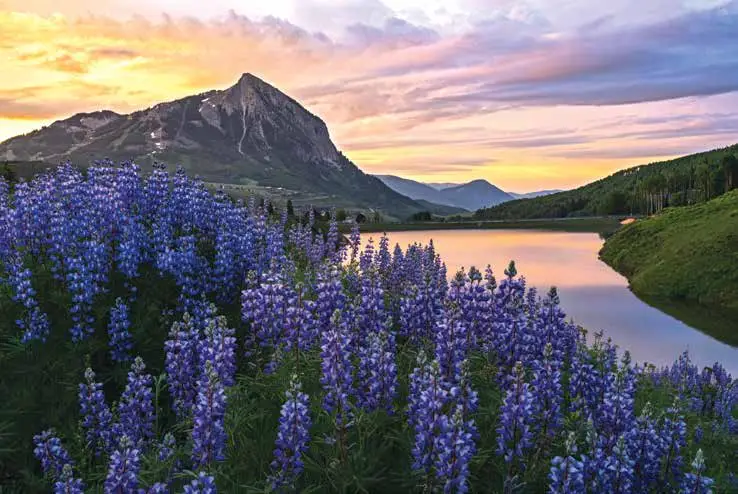
This year marks the 40th anniversary of the Crested Butte Wildflower Festival, running July 10–19, when alpine meadows erupt into swaths of purple lupine, scarlet paintbrush, yellow mule’s ears, and pink fireweed.
For visitors making the drive from Denver’s south suburbs, the reward is immediate: cooler, crisper mountain air and dense, photo-ready wildflower displays set against dramatic peaks.
The festival itself offers roughly 175 flower-centric activities visitors can register for, from guided hikes and wildflower identification walks to photography workshops, flower arranging, tours such as a “garden and ghosts” outing, and watercolor workshops for aspiring artists.
It’s worth spending a few days in the region because, depending on where you explore, the scenery changes dramatically, says Katy Mooney, marketing director at Gunnison Crested Butte Tourism and Prosperity Partnership.
Near Gunnison, fiery red paintbrush and tall purple lupine spikes dominate the landscape. Around Almont, massive, sunflower-like mule’s ears blanket the valley floor. North of town, around Rustler Gulch, entire hillsides blaze with layered color—bluish-purple larkspur, rosy paintbrush, mountain bluebells, and more.
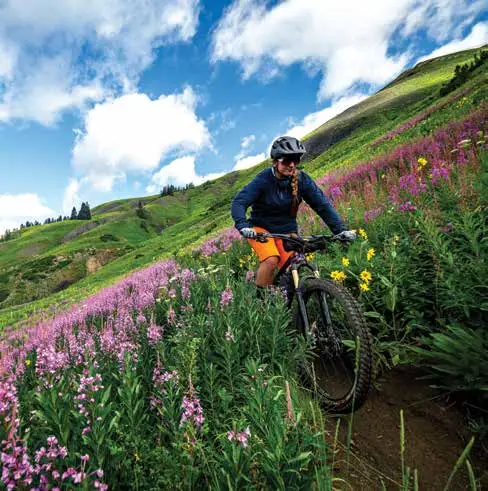
“It’s a variety of colors all bursting in one meadow, and they’re as high as your handlebars or even your face,” Mooney says. “It’s immersive and like you’re just walking along and looking into the faces of these flowers.”
THE BLOOM FORECAST
Peak bloom timing shifts every year depending on factors including snowfall, spring temperatures, and the arrival of the North American monsoon.
This year, scientists at the Rocky Mountain Biological Laboratory (RMBL) predict the peak wildflower season in the mountains near Crested Butte—which typically occurs in mid-July—will arrive nearly two weeks earlier.
New interactive bloom maps developed by RMBL research scientist Ian Breckheimer show how the season is expected to unfold across the landscape after one of the region’s lowest snowpack years on record.
Breckheimer describes the wildflower season’s progression as a “rainbow wave” moving upslope through the landscape.
At any given location, peak blooms typically last about three weeks. But hikers can extend the experience by varying elevation, heading downhill earlier in the season or climbing higher later in the summer to follow the blooms as they advance.
“If you wanted to walk out your front door in Crested Butte and take a short hike through the wildflower meadows, you’d probably want to be there in late June or early July this year,” Breckheimer said. “If you’re visiting later, that just means you need to hike farther up to find the plants.”
The forecasting tool allows users to “fast forward and rewind in time” to watch how the bloom wave unfolds across the landscape and plan hikes around peak conditions.
PLAN YOUR TRIP: The wildflower forecasting tool is available at rmblflowercast.org.
FESTIVAL MUST-DOS
The best way to experience the festival is to balance structured events with time spent wandering the valley at your own pace.
Guided wildflower hikes are a cornerstone of the celebration, offering insight into the area’s ecology while leading participants through some of the region’s most spectacular terrain.
Photography workshops are also especially popular, including sessions on capturing blooms with your phone camera and photographing wildflowers during alpenglow.
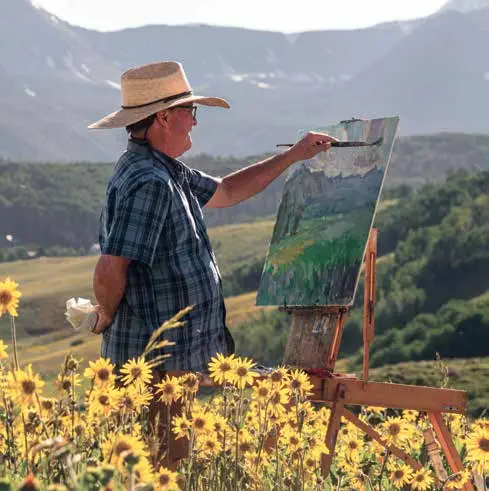
The festival also features art and wellness programming like watercolor classes, plein-air painting sessions, and yoga.
PRO TIP: Advance registration isn’t required, but many events sell out (though you can join a waitlist).
HIKING AND BIKING ROUTES TO CHECK OUT
With more than 1,200 miles of trails winding across mostly public land, the Gunnison Valley offers endless ways to experience wildflower season, whether you’re looking for an easy scenic stroll or a challenging ride on your mountain bike.
Here are a few standout trails to explore when the blooms are at their peak.
BRUSH CREEK TRAIL:
This beginner hike near West Brush Creek delivers big scenery for minimal effort, with sweeping views of 13ers like Teocalli Mountain and White Rock along the way.
In summer, the hillsides explode with wildflowers (especially bright Aspen sunflowers), creating one of the area’s most colorful displays, though the open terrain means you’ll want plenty of sun protection for the mostly shade-free trek that’s 4.3 miles with 315 feet of elevation gain.
RUSTLER GULCH:
Few hikes make it so tempting to stop every few minutes for another photo.
This moderate 7-mile trail gains 1,850 feet in elevation as it winds through a valley filled with colorful wildflowers and also shows off waterfalls and sweeping mountain views.
TRAIL 401:
Crested Butte’s rockstar ride, Trail 401 is an advanced, 13.6-mile mountain biking trail that gains nearly 2,400 feet of elevation.
After a quad-burning climb, steep grades, and switchbacks, mountain bikers are rewarded with an unforgettable ribbon of singletrack cutting through waist-high wildflowers and grin-inducing Gothic Valley views.
To register for events, visit crestedbuttewildflowerfestival.org.